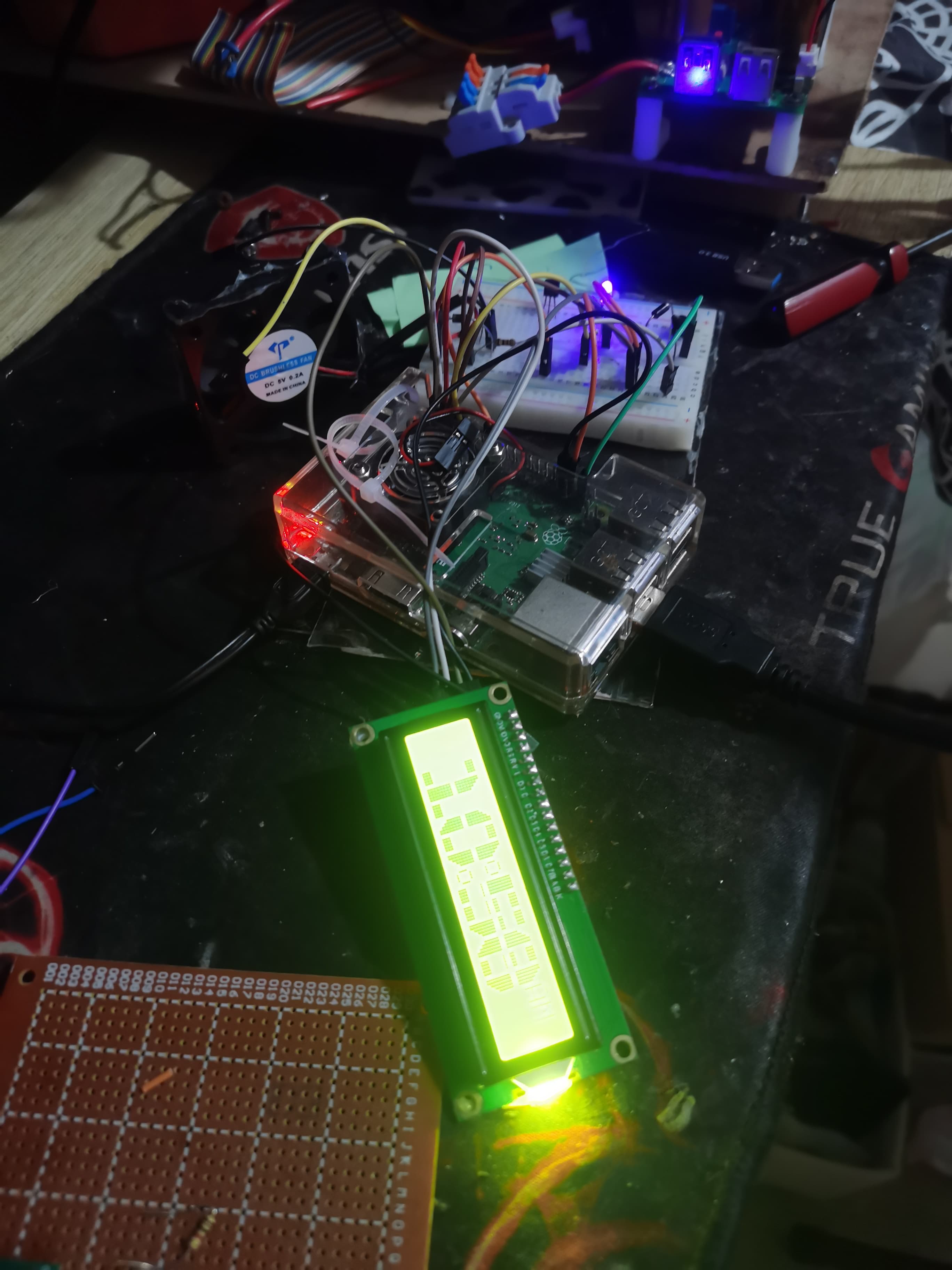
I’ve just tried my box of bits build and couldn’t get the LCD to work either… there seems to be a new notice about buster end of life during the pydpiper install:
DEPRECATION WARNING
Progress: 70
Status :Installing necessary utilities
This Linux distribution (raspbian buster) reached end-of-life and is no longer supported by this script.
Not sure if that’s the problem yet. Will keep looking…
Still not sure about why this is happening, but managed to get it working by taking a working docker image and copying it to a new 3.631 install.
1, Install pydpiper as normal, so that it shows up in the Volumio plugin UI
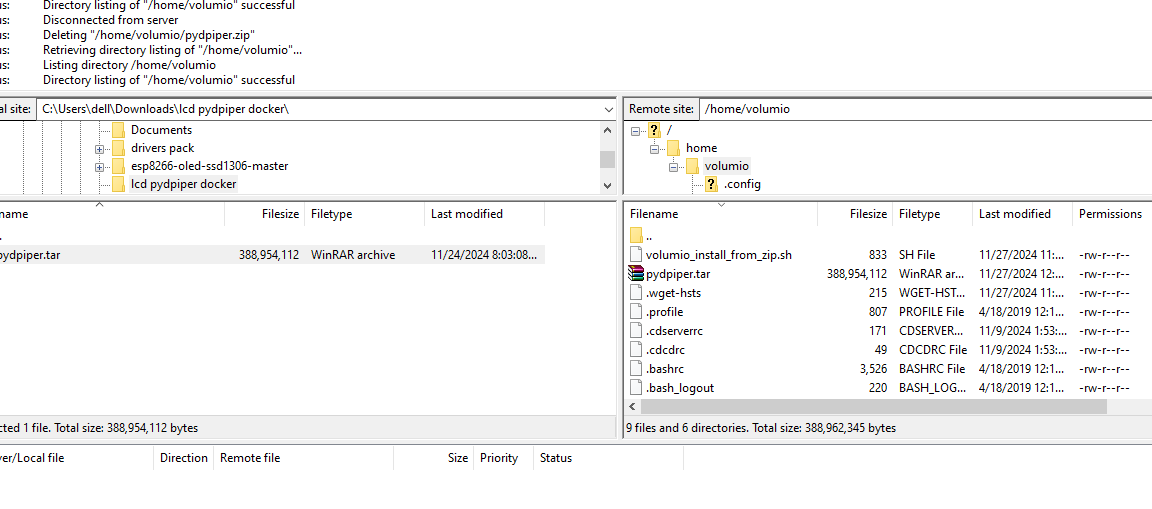
2, Download this to your /home/volumio directory as a TAR file file (link only valid for 7 days)
3, Replace the not working docker container with the downloaded one by typing sudo docker load -i ./pydpiper.tar (it takes a little while to extract and copy)
4, check your pydpiper settings via the plugin UI and click “Save” to restart the service
5, wait…
ill try again, thanks
btw. how do i modify the text/script/code on my LCD
like changing position of text and changing the opening text like welcome volumio
Hi @SimonF,
Finally made to work with old ver.
My other concerns is i try to run to a latest version, the plugin is manage to install and showing lcd time time and start pyd and exiting pyd… But if i play a song nothing comes out.
I think it’s related to an update in the newer version of the socket.io component. PydPiper is requesting player state data and the new socket.io isn’t responding
perhaps you can help an old (63 years old) beginner.
I’d like to connect my Raspberry Pi 5/8GB RAM, HifiBerry DAC+ to my 20x2 HD44780 VFD display
or 20x4 LCD display using your PydPiper plugin.
Which Raspberry Pi version do I need to write to the microSD card?
And how can I install it using PuTTY?
As I said, I’m not very familiar with programming.
It would be great if you could get in touch.
Instead, you will install Volumio (which basically includes a “pre-customized Raspberry OS” on its own). Official download is at Get Started - Volumio
After downloading and installing Volumio, start by configuring Volumio so that it works for you (e.g. with your music sources etc.)
Once done, you will install the PydPiper plugin (because it’s a Volumio plugin, it needs to be installed in volumio) and go through the configuration steps.
Note that your Raspberry device will then act as a dedicated MediaPlayer. This means you won’t be able to install other stuff, like with a Raspberry Pi OS. (There are options to do work around that but this is out of scope here)
i’m trying to get a 1602A-Display (Driver hd44780) working with latest volumio v4.096.
I connected the display to the GPIO-PINS:
Enable - pin 8
R/S - pin 7
D4 - pin 25
D5 - pin 24
D6 - pin 23
D7 - pin 27
I tried the dhrone pydPiper, but it didn’t work. After that i tried the instruction by simonF
Question: the second step “Uninstall the pydPiper plugin from the Volumio UI”
i can’t find any pydPiper plugin in my UI, so i didn’t do anything at this point. Problem?
Question: At the point “Install Python3” i get following error:
E: Package ‘netcat’ has no installation candidate
BUT i get the followin response: “Package netcat is a virtual package provided by:
netcat-traditional 1.10-47
netcat-openbsd 1.129-1
You shoul explicitly select one to install.”
I install both an go on.
Question: at ‘pip3 install -r requirements.txt’ i get following error:
“externally-managed-environment”
I’m stuck at this point.