The easier thing first: About 4, default states:
This was a typo, I meant to write 0-8 pull-up 3.3V, 9-27 to GND. How do I update it above? I would correct it and make a note about it in brackets that it was wrong before. Side note: I hope this holds true for all Pi generations, have not double checked it.
About 1, the rise-time issue:
I had a hunch to be wrong when I wrote it, but didn’t remember what this hunch was exactly… . Uhh. I re-read a lot about it now and aha the CC pins are connected to a line called VCONN, not directly to SOURCE/VBUS. Hm. Outch. I would still like to get my hands on a problematic linear power supply and see if it works, for other reasons still unknown.
About 2
I mean the power to the Pi, not the outputs. The PMIC shuts down all power to outputs within the Pi, but not the 5V going into it (and also not the 5V PINs, or do I misread the documentation there(?)) because this can only be done by unplugging (unless you have a power supply with a switch). The power circuit in the Leeloo does the “power supply with a switch” thingy.
About 3
Same like 2, I mean the power going into the Pi, not what the Pi does with it. At the end of shutdown, also the Pi 5 can only go into a standby/halt mode, and it does not switch off the 5V PINs. The external latching circuit is redundant if you are OK with the Pi going into a standby/halt with 5V on the PINs still on. It is not redundant if you want the 5V PINs to turn off too because HATs are attached (… and a fan that would not stop spinning if it were still on).
I verified your points before replying - my forum name is nerd for a reason. I obsess over technical accuracy, and I do not post claims without backing them with research, evidence, or experience. So here is the verified record.
Your point about power INTO the Pi versus PMIC outputs: confirmed correct. Two authoritative sources:
A Raspberry Pi engineer on the official forum confirms that header pins 2 and 4 are connected to the input of the PMIC. That is what makes powering the Pi 5 through them possible, and it also means they can never be switched off by the Pi itself: https://forums.raspberrypi.com/viewtopic.php?t=365339
The official documentation on POWER_OFF_ON_HALT states that with POWER_OFF_ON_HALT=1 and WAKE_ON_GPIO=0, halt switches off all PMIC outputs - the lowest power halt state - but notes this may cause problems with some HATs because 5V will still be on: https://www.raspberrypi.com/documentation/computers/raspberry-pi.html
So the complete picture for future readers:
PMIC outputs (3.3V rail, SoC rails, fan header): off in standby with POWER_OFF_ON_HALT=1
5V GPIO header pins and the input rail: always live while external power is present, on every Pi generation including the 5, because they sit upstream of the PMIC
Anything drawing from the 5V pins after shutdown can only be cut by upstream switching: an external switch, a smart supply, or a power-path circuit like yours
Your use case is therefore legitimate: if a build requires the 5V header pins to be dead after shutdown, the Pi alone cannot do it, and an external power-path circuit is the correct engineering answer. For builds that only need clean auto-boot and power-off, the built-in PMIC, J2 button, and POWER_OFF_ON_HALT cover it without extra hardware.
One remaining precision on the USB-C side: the CC pins are the configuration channel itself. VCONN is a separate 5V supply the source places on the unused CC pin to power the marker chip in active cables. Your conclusion stands either way - CC has no connection to VBUS, which is why the rise-time explanation did not hold.
On fixing the typo in your earlier post: use the pencil icon below the post to edit it. Your GPIO pull statement, corrected to 0-8 pull-up and 9-27 pull-down, holds across Pi generations - the BCM2835 through BCM2711 datasheets document the same default pattern and the RP1 on the Pi 5 retains it.
Thank you for engaging properly with the corrections. This thread now has an accurate record from the original symptom to the full power architecture.
@nerd Oh I just had an insight/finally understood the original problem… which is about cold start vs hot plugging.
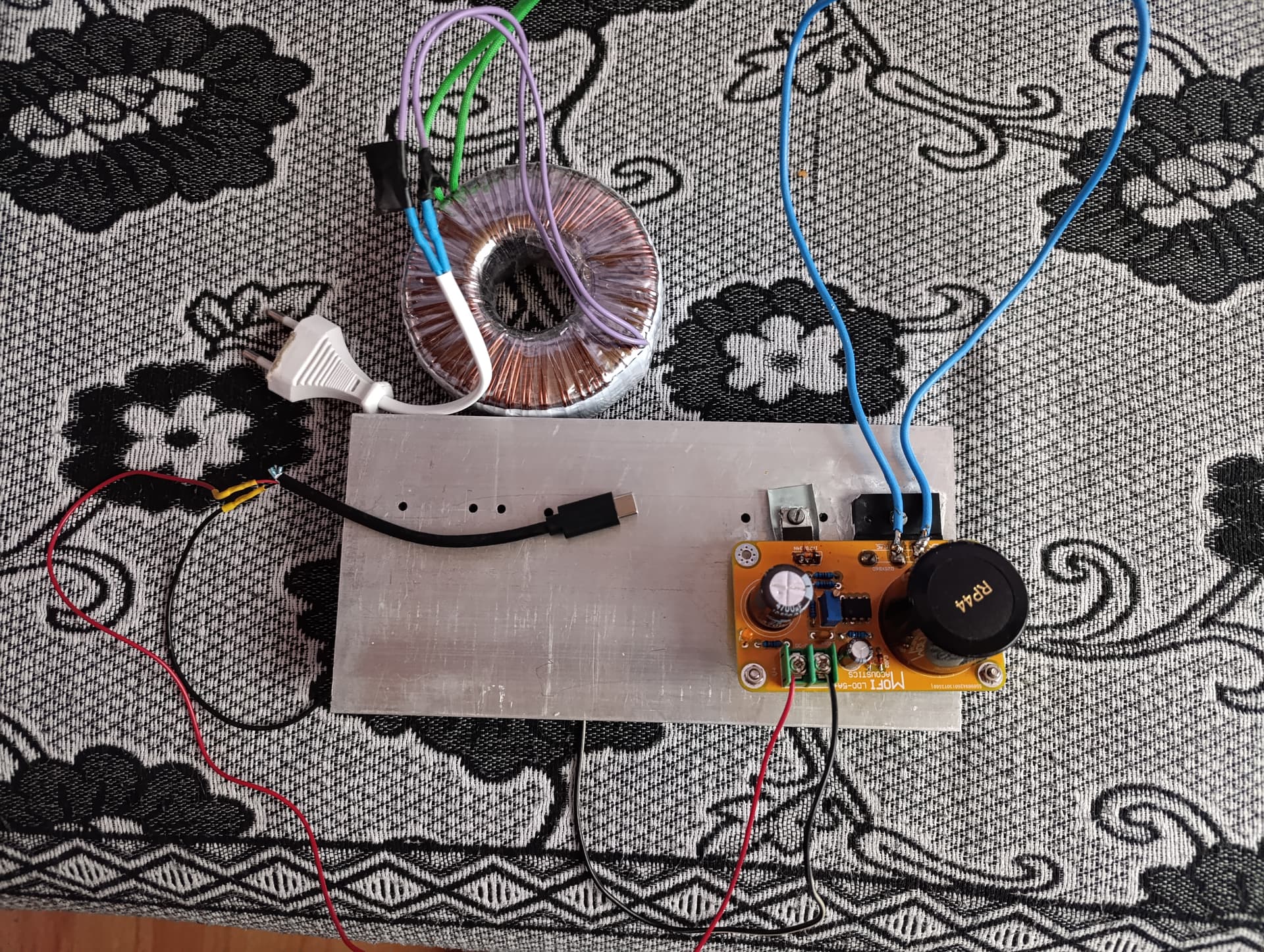
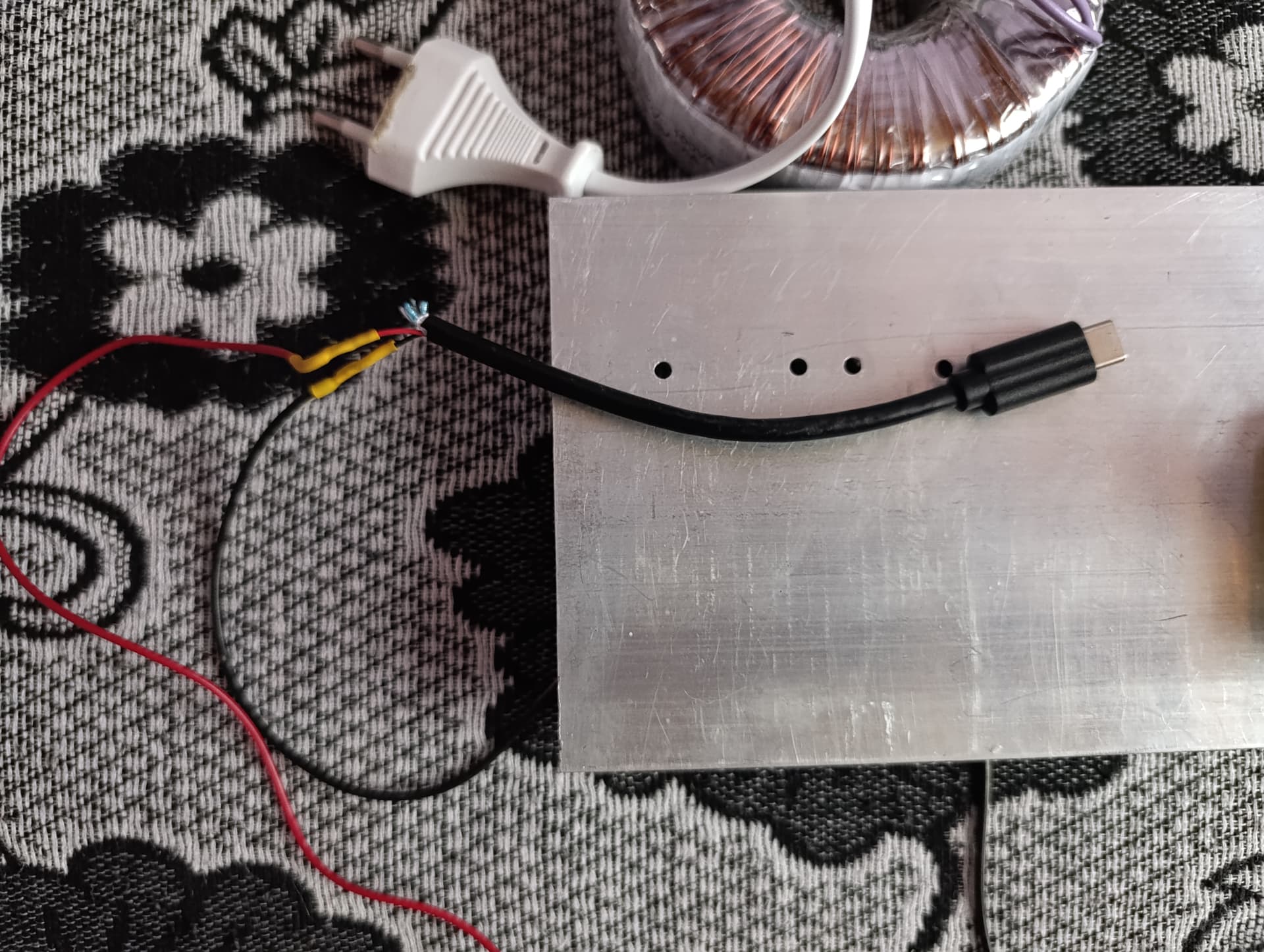
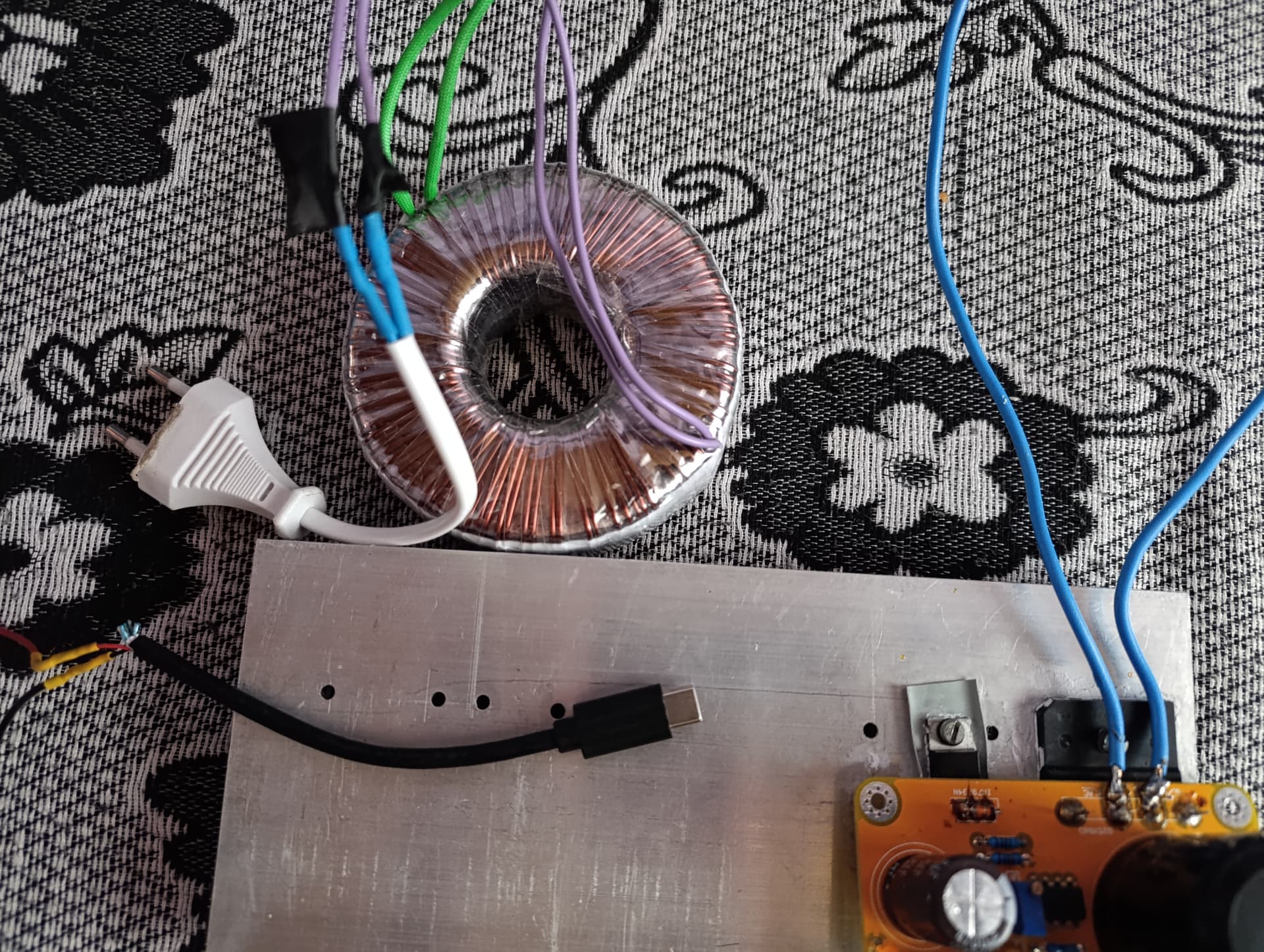
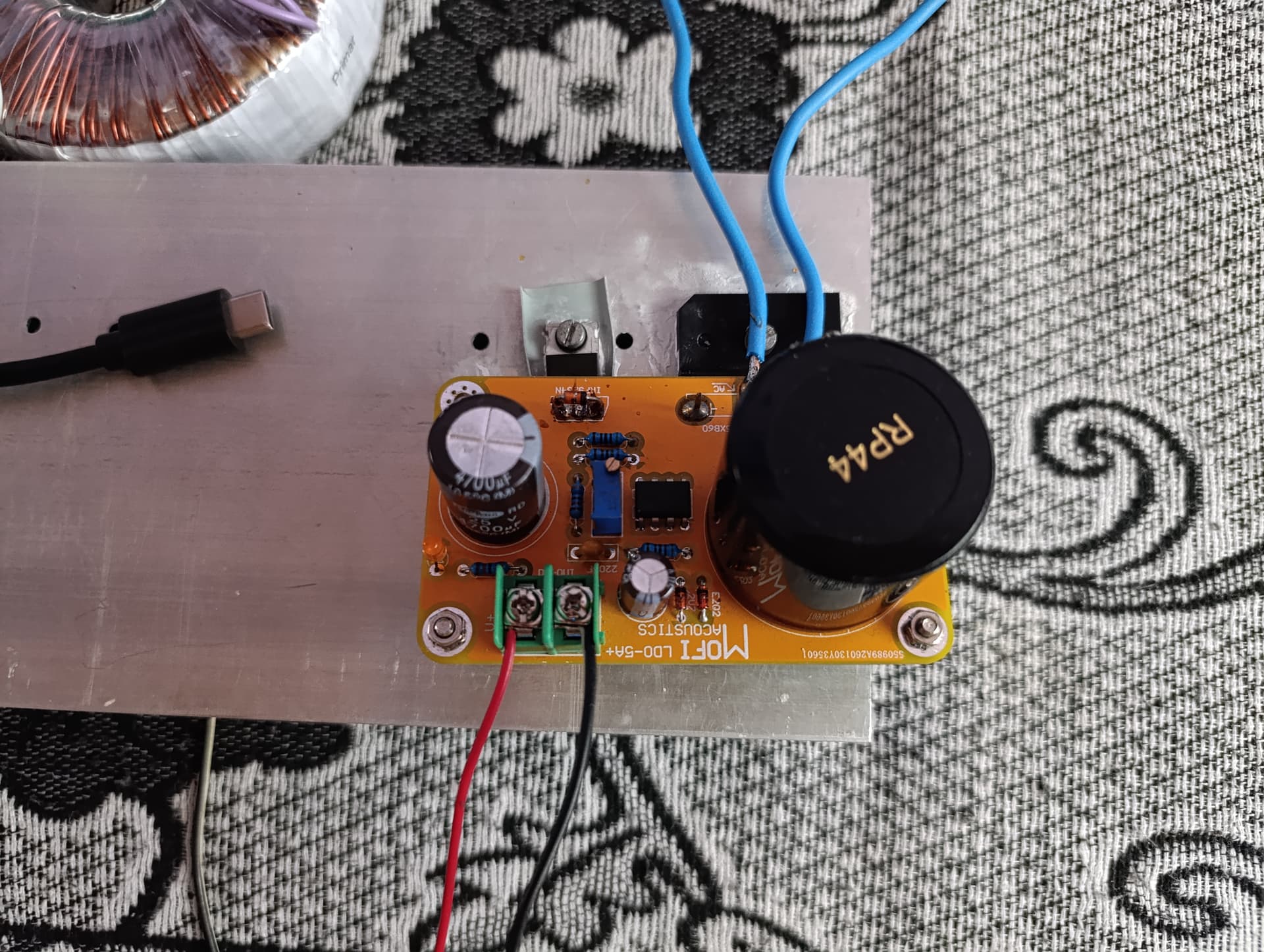
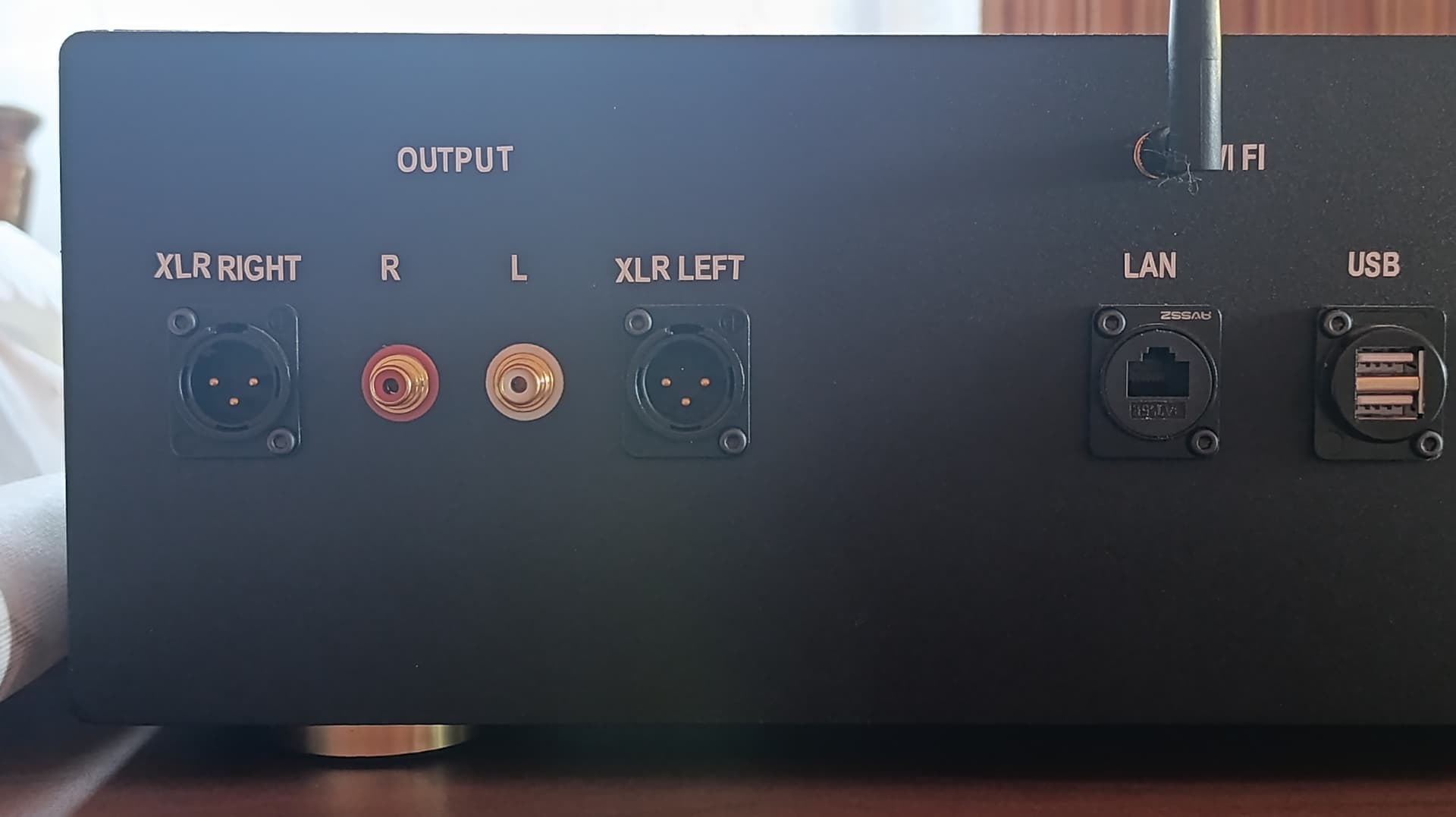
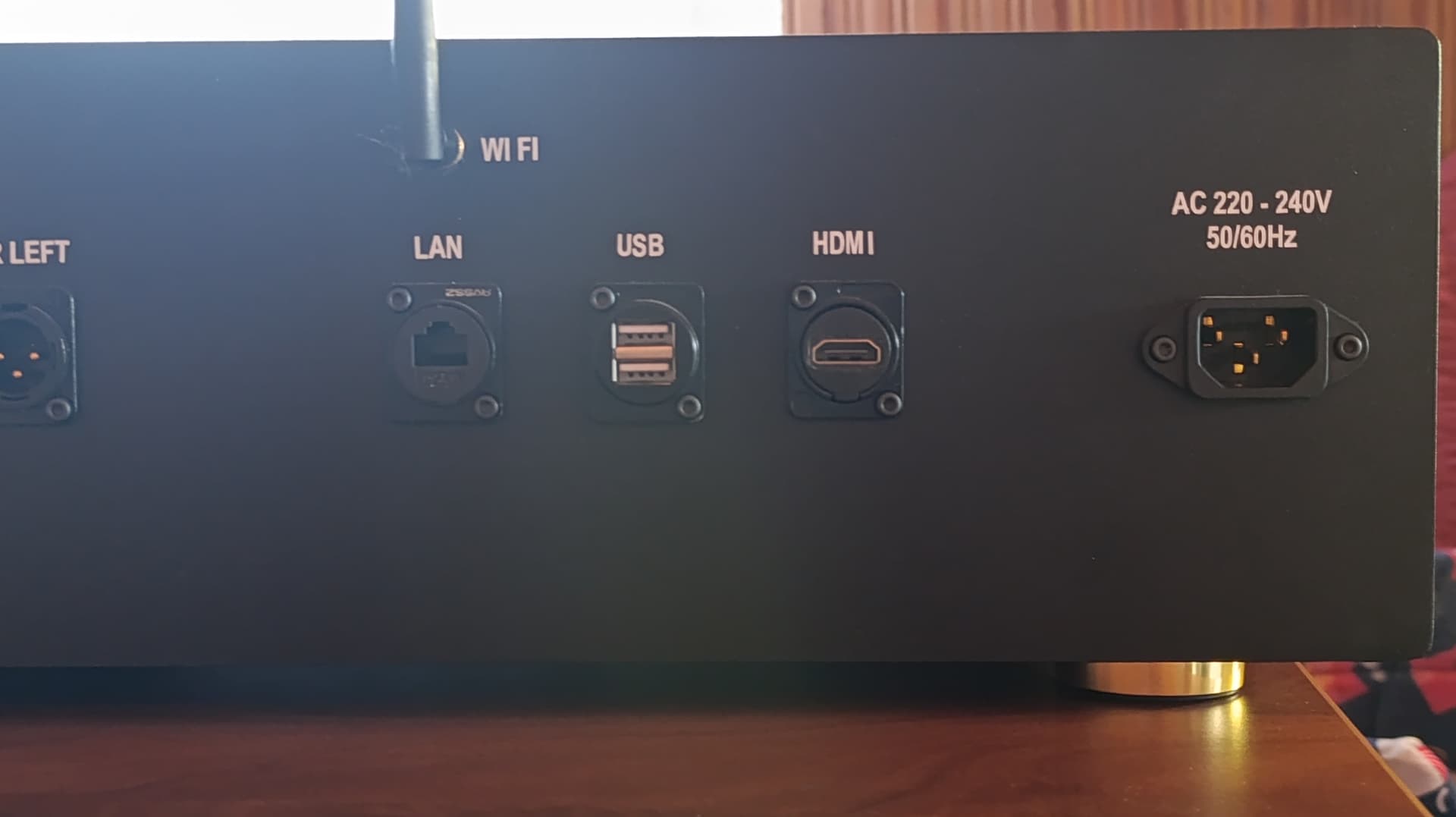
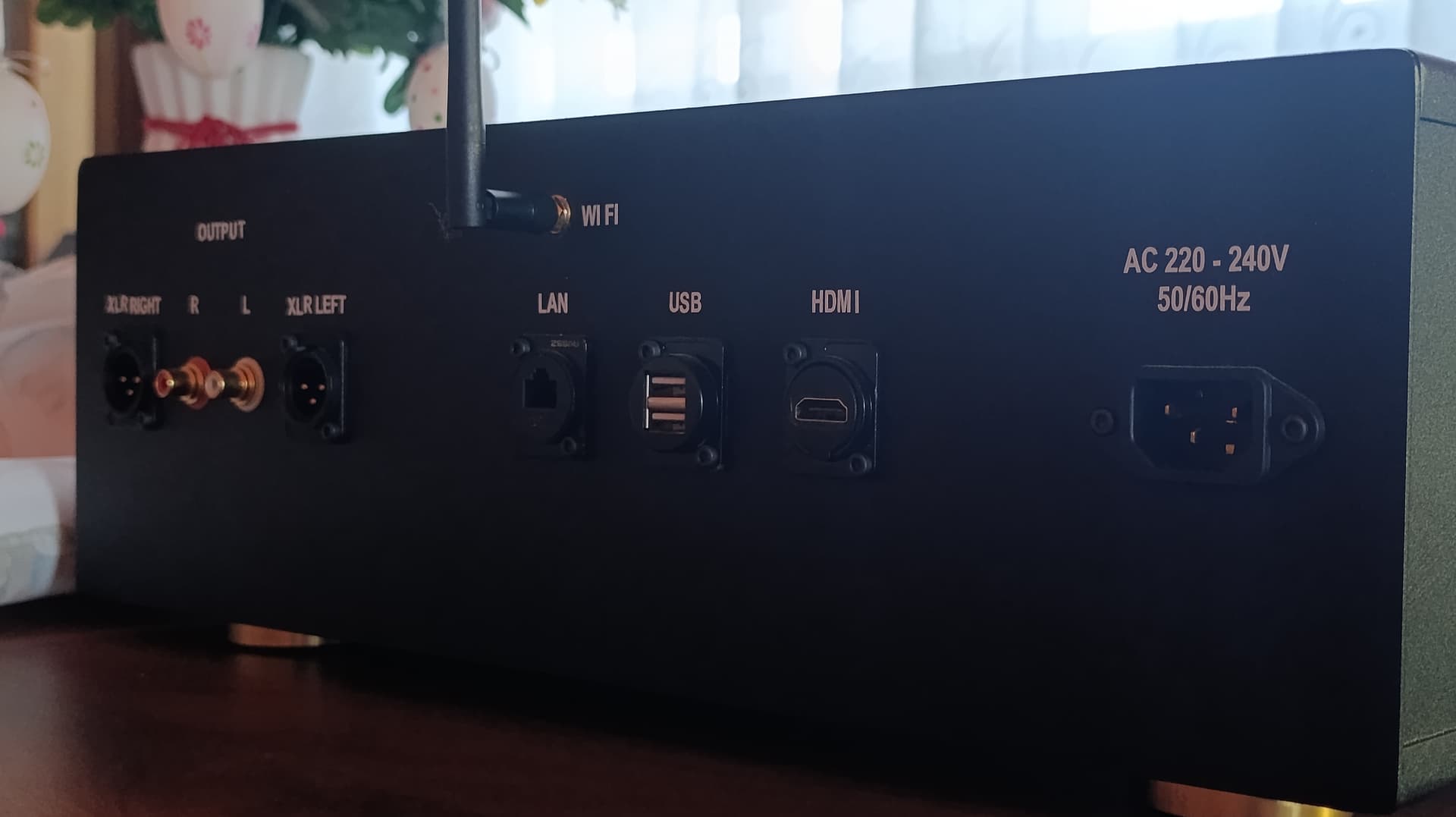
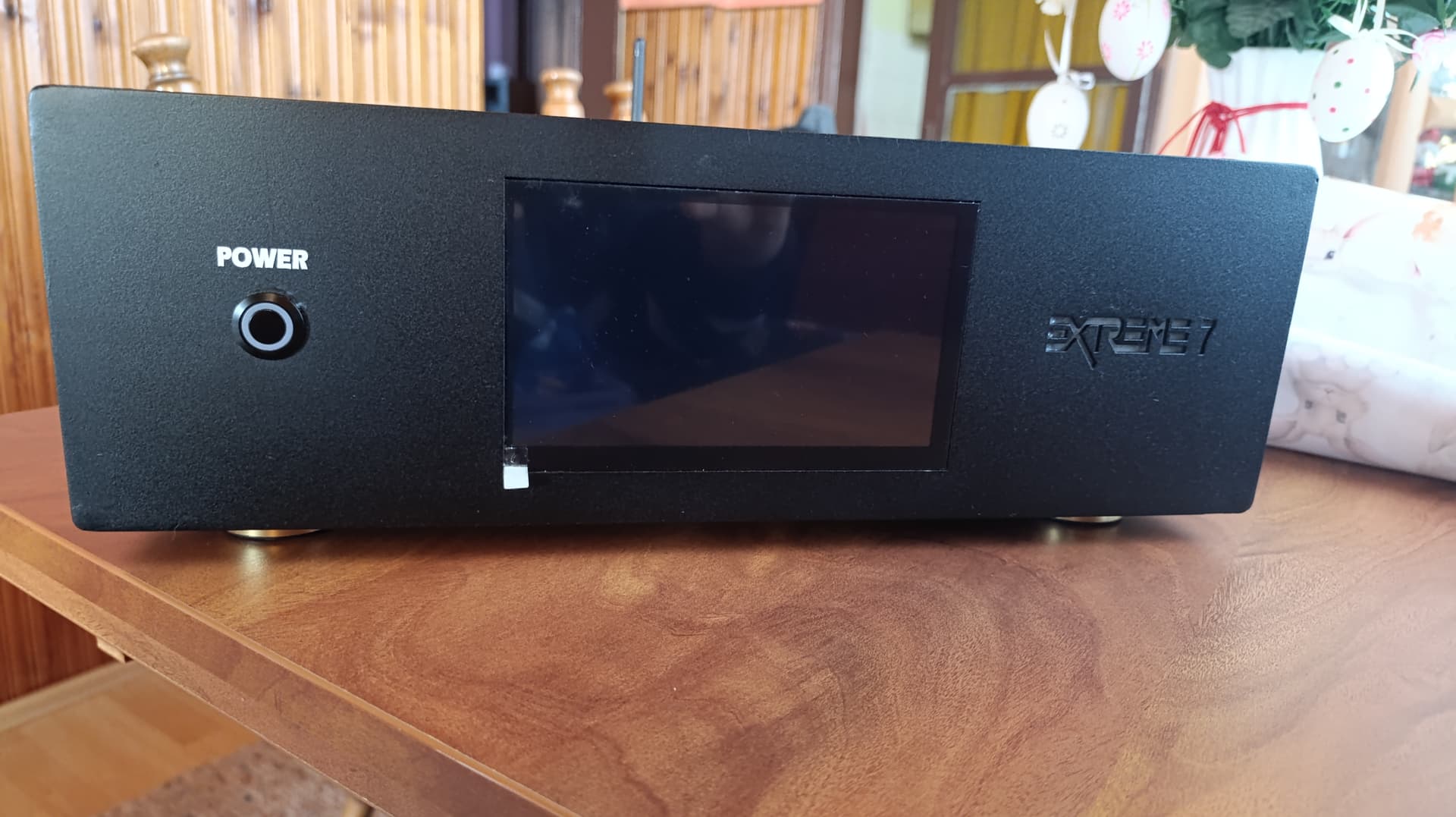
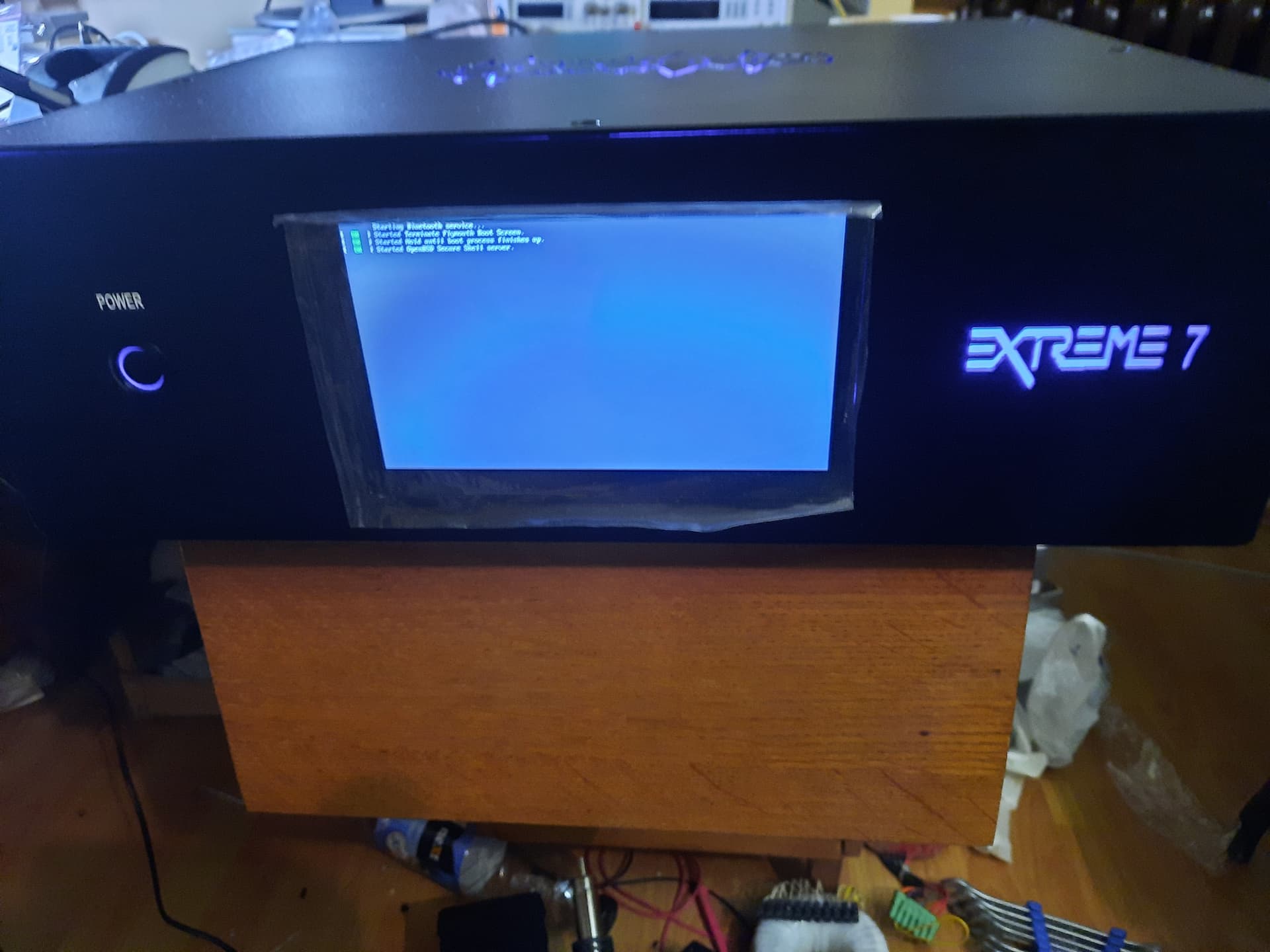
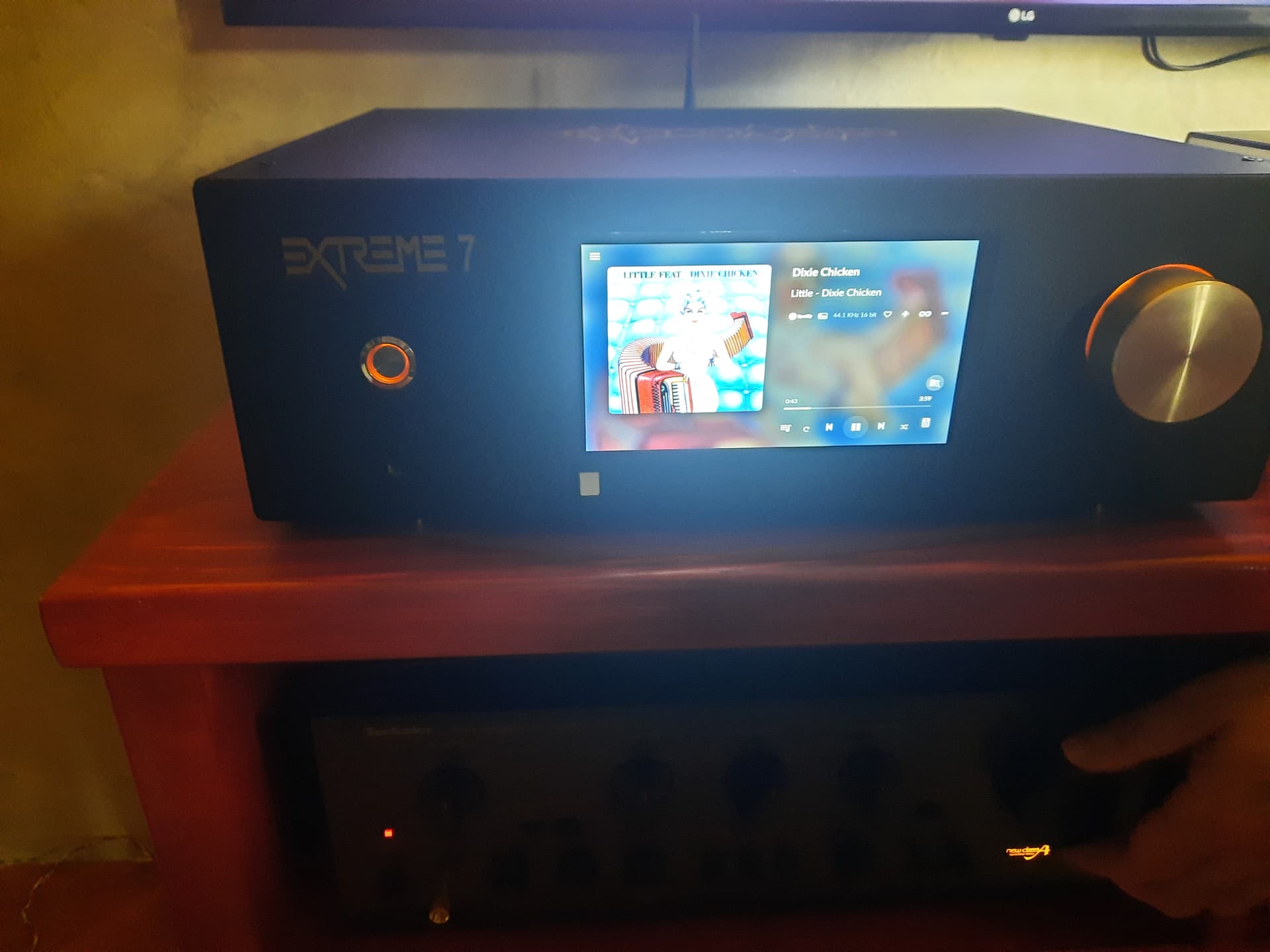
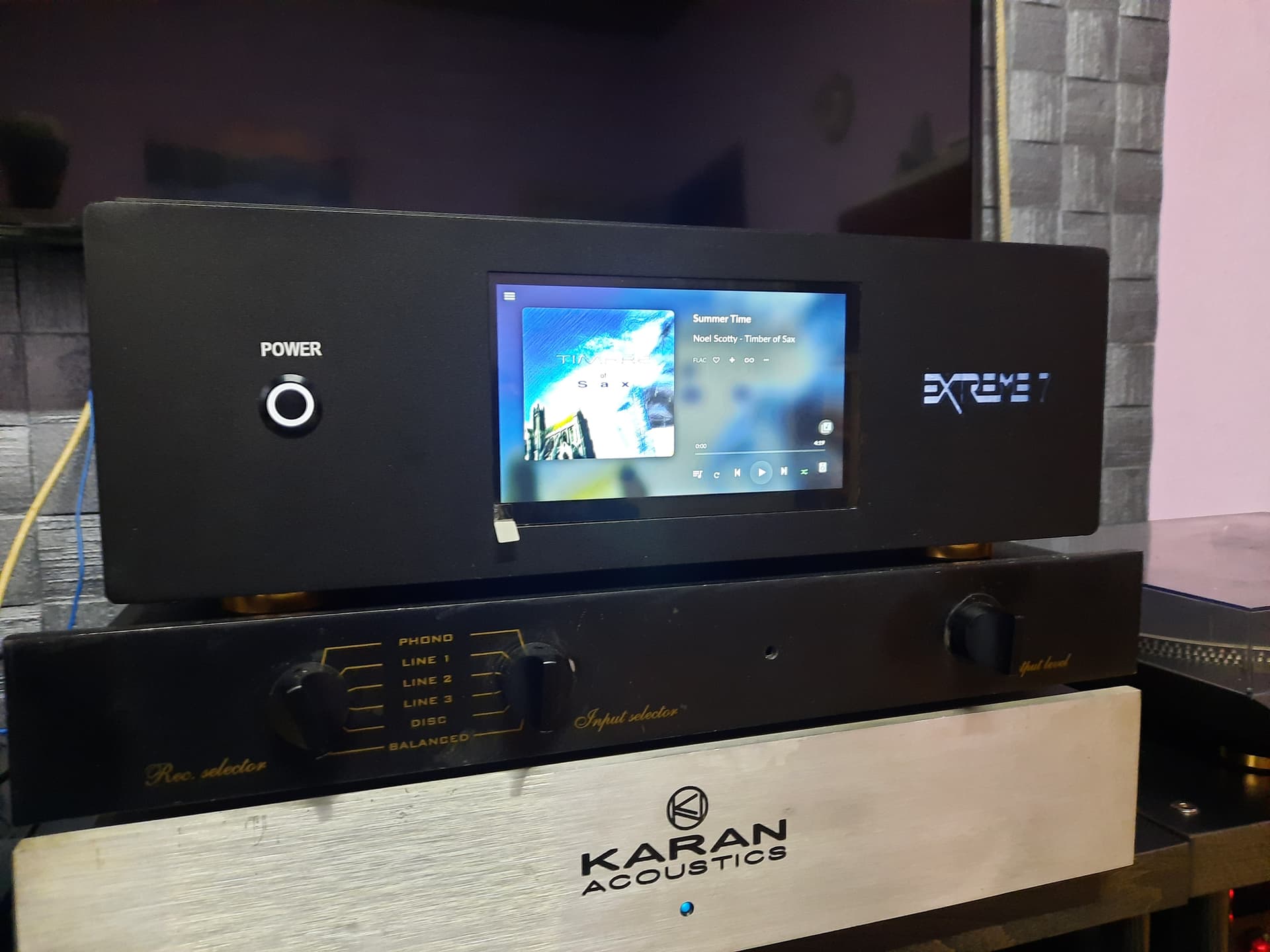
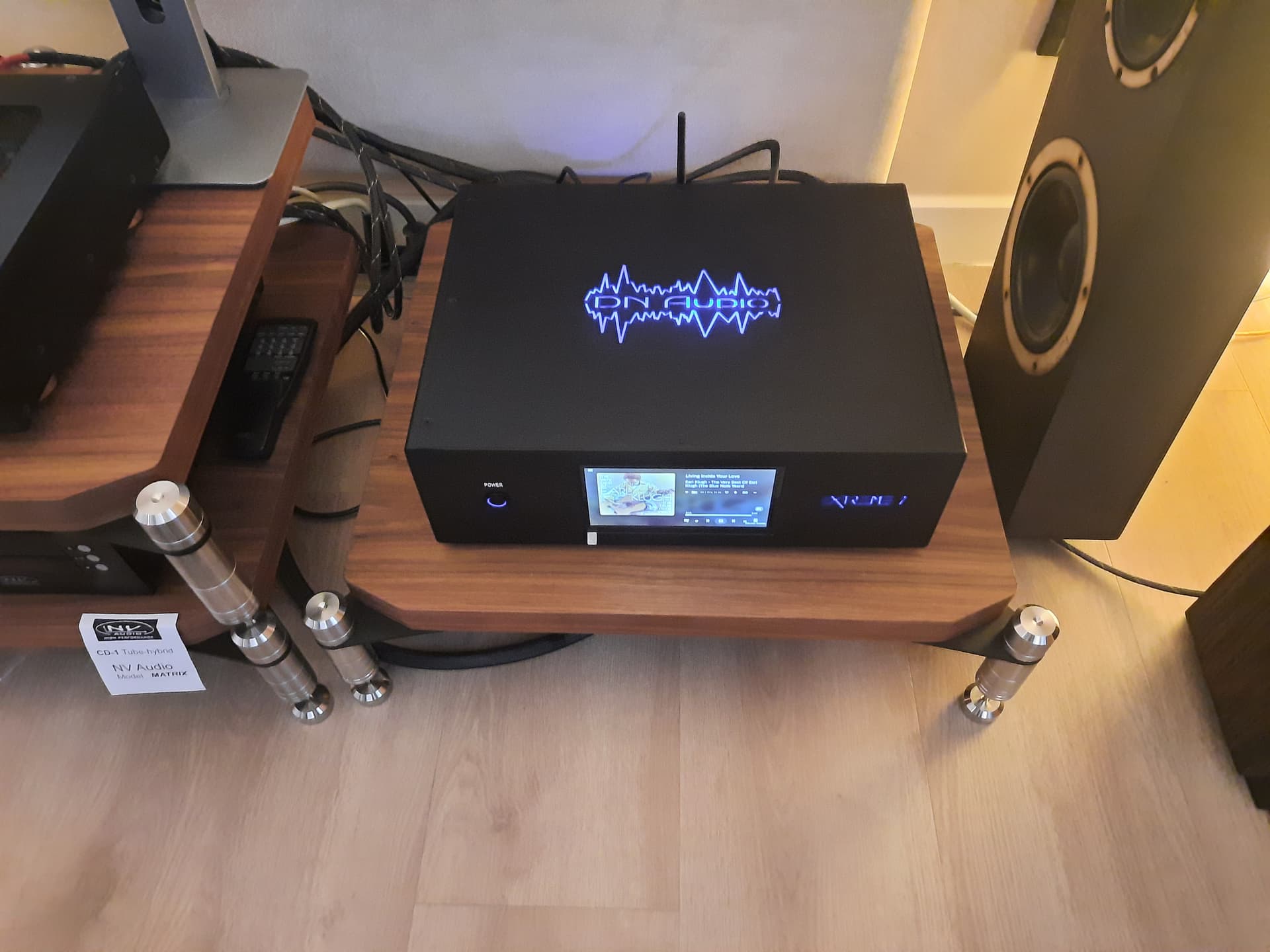
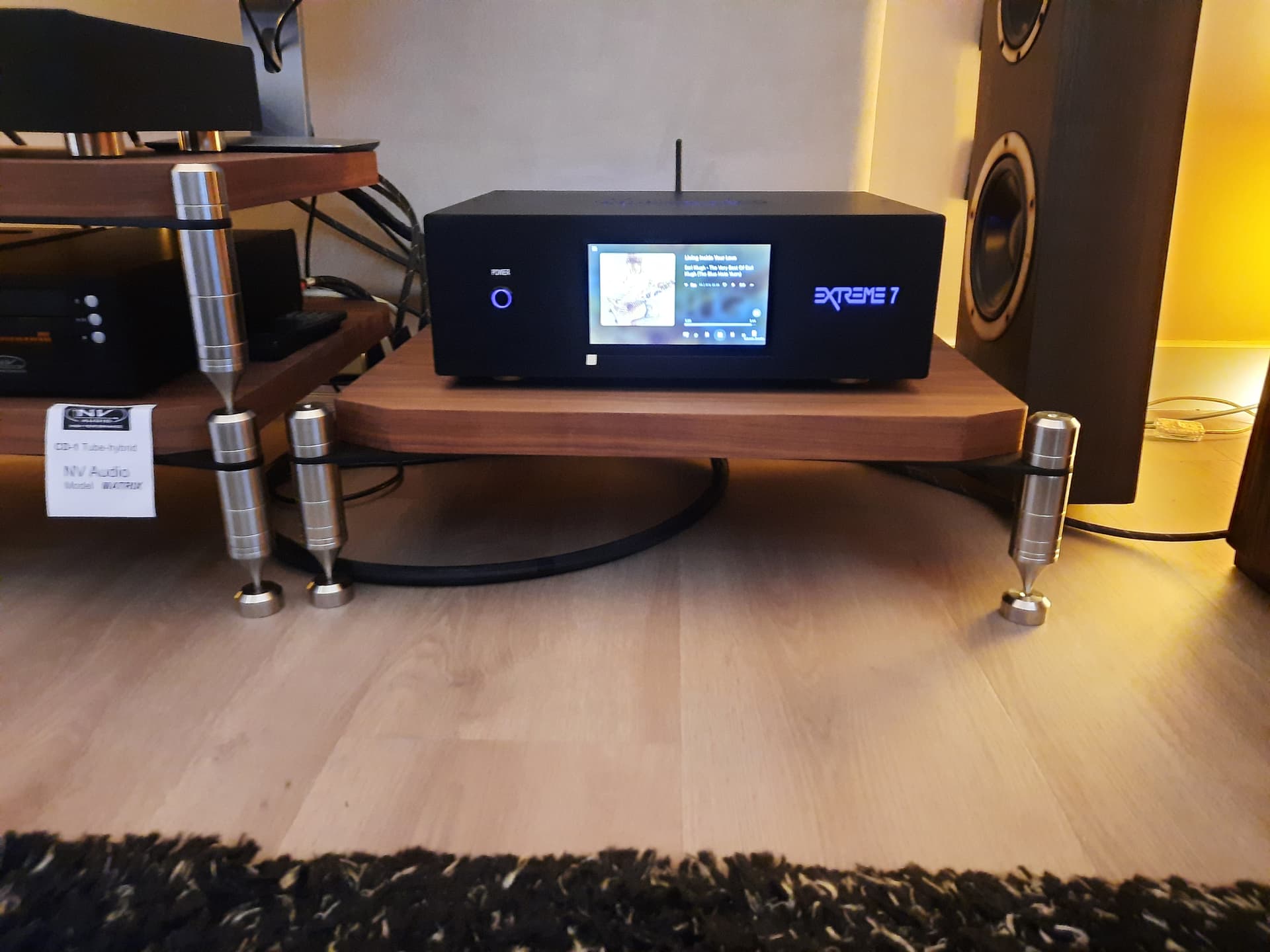
@djoksim1, correct me if I am wrong, but this was/is your setup: The Pi is connected via the 5V PIN to a cable that is coming from the linear power supply with 5V, but the linear power supply itself is not plugged in or turned on yet. Then you turn it on (Could you clarify here how, I don’t see a switch on the streamer DAC, is it a a switch on the current tab/multi-plug? Because of the slow voltage rise the PMIC locks the Pi in standby mode. And then it can be turned on with the on-board button. Ok.
@nerd you mentioned the test where [quote=“nerd, post:12, topic:77024”]
Hot-plugging the 5V lead with the supply already running (fast voltage edge) booted every time.
[/quote]
Aha. This is good news for me, because yes the set-up with the Leeloo is that your linear power supply is turned on first, then the Leeloo. Then the Leeloo turns off, and the linear power supply stays on, or not, as you wish. Important is the two step sequence for the start (which is the same like with the Pi 5 onboard button or external button connected to the J2 pads.
I was afraid that a linear power supply connected to the Leeloo circuit could also end up in the undervoltage lockout. But no, it cant. Because of sequence. And if you mess up the sequence and push the on/off button on the Leeloo first, nothing happens, then you turn on the linear power supply or plug it in, then press the button on the Leeloo and then… everything good. Evening saved, going to get a beer now, thank you @nerd for helping, clarity is starting to arise ///update: clarity has arrived. So much exact (that is the difference) knowledge in such a short time. It is a condensation of knowledge that typically you can only gain by a month of scouting and reading through miles and miles of user experience and data sheets and articles and content with dead ends and loose ends and what not. Pure gold. Thank you @nerd for the discussion, and summaries, and vibe. Cool
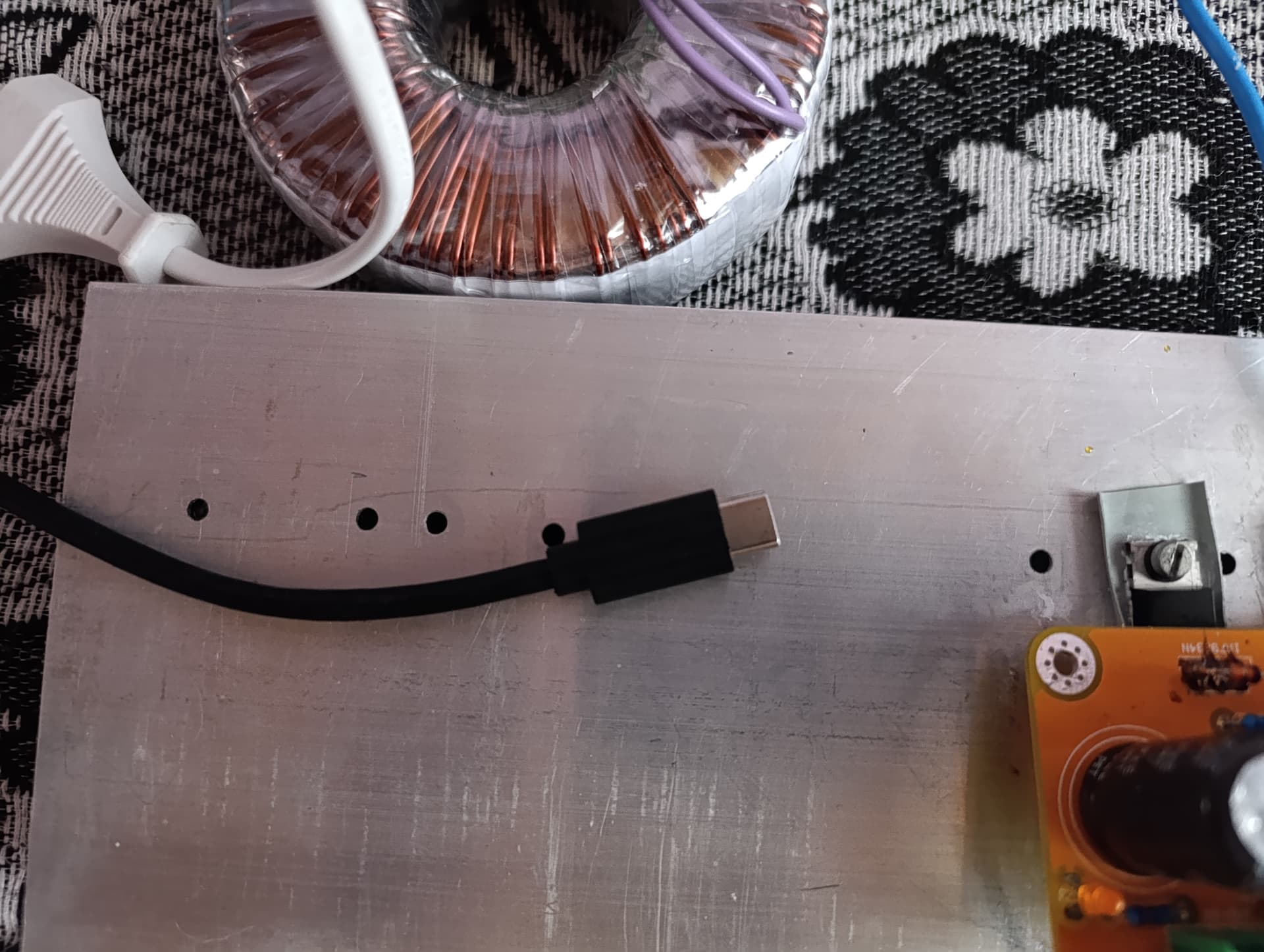
just put USB C on RPI5 and hi works , or you can buy an aliexpress Studer linear extern power supply and than turn it on , becouse i make Streamer DAC i put everything in mu streamer and so its work
 ///update: clarity has arrived. So much exact (that is the difference) knowledge in such a short time. It is a condensation of knowledge that typically you can only gain by a month of scouting and reading through miles and miles of user experience and data sheets and articles and content with dead ends and loose ends and what not. Pure gold. Thank you